
What is Traditional SEO?
Traditional SEO optimises for Google search engine results pages (SERPs). Its core signals include domain authority built through backlinks, keyword targeting, technical health, and user engagement.
It is still a foundational acquisition channel. Traditional SEO generates enormous traffic for businesses that execute it well, especially when useful pages match the questions and intent behind valuable searches.
- Google SERPs
- Backlinks and domain authority
- Keyword and search-intent targeting
- Technical health and user engagement
What is AI SEO?
AI SEO, also called Generative Engine Optimization (GEO) or Answer Engine Optimization (AEO), optimises for AI-generated answers. It helps make a brand easier for language models and AI-powered search interfaces to understand, evaluate, and connect with a buyer's question.
Its core signals include entity clarity, structured data, authoritative author-attributed content, and third-party citations. It targets ChatGPT, Google AI Overviews, Perplexity, Claude, Gemini, and Copilot.
- Synthesised AI answers
- Entity clarity and structured data
- Authoritative, attributed content
- Third-party citations and source context
7 Key Differences
The disciplines overlap, but they produce different kinds of visibility and require different ways of measuring progress.
| Difference | Traditional SEO | AI SEO |
|---|---|---|
| Target output | Ranked list of links | Synthesised AI answer |
| Primary signals | Backlinks + keywords | Entity clarity + structured data + citations |
| Measurement | Rankings + organic traffic | AI citation rate + AI share of voice |
| Competition | Rank above 9 others | Be cited or be absent |
| Content focus | Keyword density | Factual specificity + author authority |
| Timeline | 3–12 months | 30–90 days for initial improvements |
| Trend | Declining CTR | Growing zero-click AI query volume |
Where They Overlap
AI SEO does not make traditional SEO obsolete. Technical health matters for both. Quality content benefits both. Backlinks indirectly help AI SEO by creating independent context around a brand, and accurate schema markup benefits both search engines and AI systems.
Which search programme should come first?
See where your B2B SaaS brand currently stands across traditional search and AI visibility.
Which to Prioritise in 2026
The right allocation depends on your current visibility and pipeline. In most cases, B2B SaaS companies should not choose between the two disciplines permanently. They should sequence the work based on where the largest gap exists.
No organic presence
Build both simultaneously. Establish technical and content fundamentals while beginning the entity and source work that supports AI SEO.
Organic traffic but no AI citations
Prioritise AI SEO now. Your existing search foundation can provide useful technical and content inputs while you close entity and third-party evidence gaps.
Strong organic and AI visibility
Run a dual programme. Maintain traditional SEO while continuously testing buyer queries, refreshing content, and monitoring changes in AI answers.
A Suggested Starting Budget Split
For a company with an established organic foundation and a clear AI visibility gap, start with a 60% AI SEO and 40% traditional SEO split. Revisit that allocation quarterly based on pipeline, technical needs, content progress, and visibility data.
- Traditional SEO earns visibility in ranked lists; AI SEO supports visibility in synthesised answers.
- Both disciplines benefit from healthy technical foundations and useful content.
- AI SEO adds entity clarity, structured data, author authority, and third-party citations.
- A B2B SaaS company with strong organic foundations but no AI visibility should close that gap now.
- A 60% AI SEO and 40% traditional SEO split is a starting recommendation, not a fixed rule.
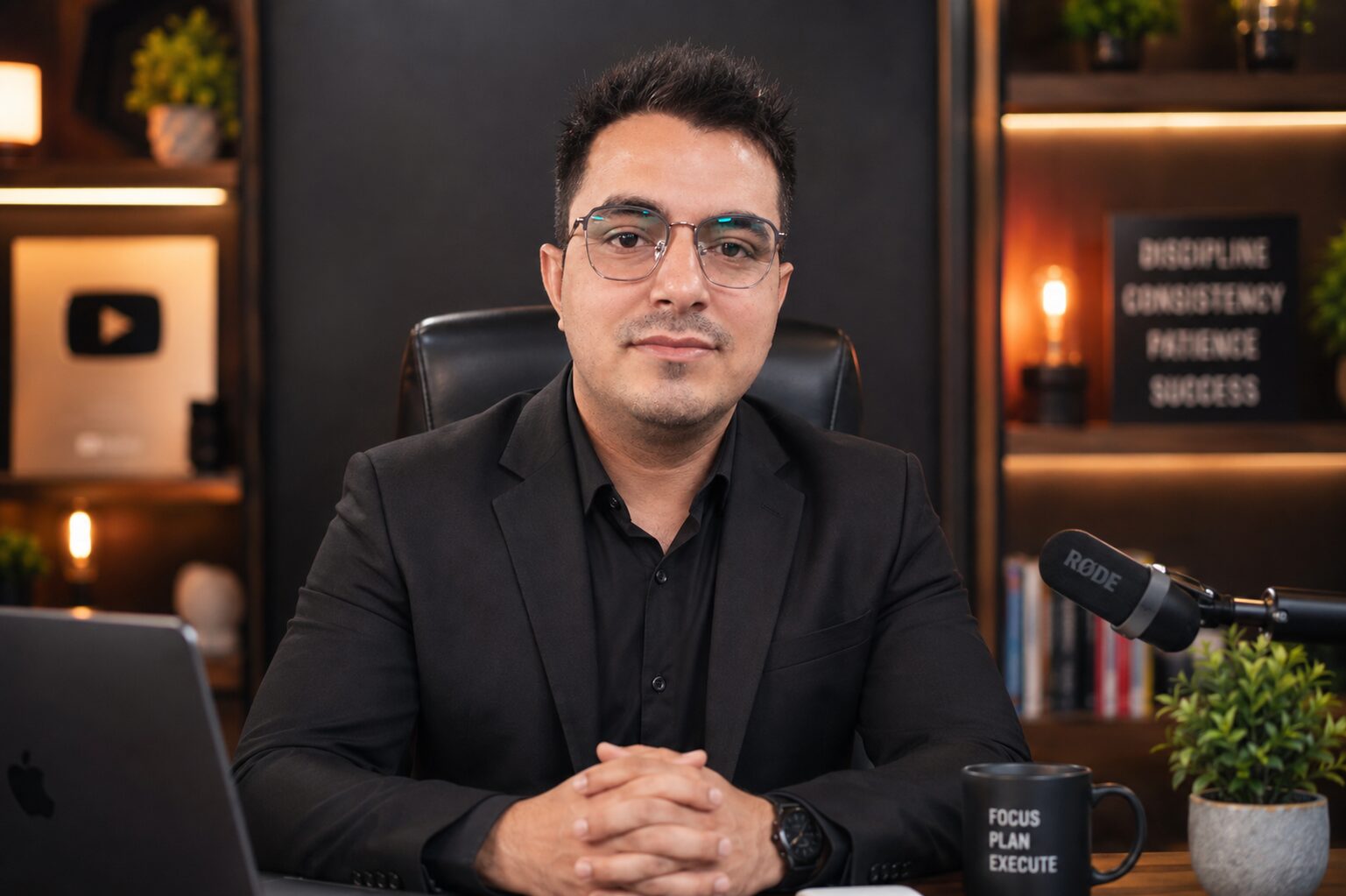
Rinku Dogra
Founder & CEO, Webrinko
Rinku Dogra is the Founder & CEO of Webrinko, helping B2B SaaS companies build visibility across traditional search and AI-powered discovery.
About the author →